Intent: This guide provides independent travellers and photographers with a logistical roadmap of Nova Scotia. It prioritizes the “Slow Travel” experience, mapping out primary travel loops originating from Halifax, provincial “Blue Route” arteries, and essential maritime connections verified for 2026.
Where Is Nova Scotia?
Nova Scotia is a rugged peninsula located on Canada’s east coast, nearly surrounded by the Atlantic Ocean. As the heart of the Maritimes, it serves as the primary gateway for Atlantic Canada. The province is logically divided into several iconic regions: The Halifax Metro, the South Shore, the Annapolis Valley, the Northumberland Shore, and Cape Breton Island.
The Geographic Layout
On a map, Nova Scotia resembles a long, narrow pier jutting into the Atlantic, tethered to mainland Canada only by the narrow Isthmus of Chignecto.
Key geographic features for your GPS:
Cape Breton Island: The “top” of the province, separated by the Canso Causeway and home to the world-famous Cabot Trail.
Highways 102 & 104: The primary arterial veins connecting the capital to the New Brunswick border and the rest of Canada.
Halifax Regional Municipality (HRM): Centrally located on the Atlantic coast; the logistical “Hub” for all provincial travel.
The Bay of Fundy: The body of water between Nova Scotia and New Brunswick, home to the world’s highest tides (up to 16 metres).
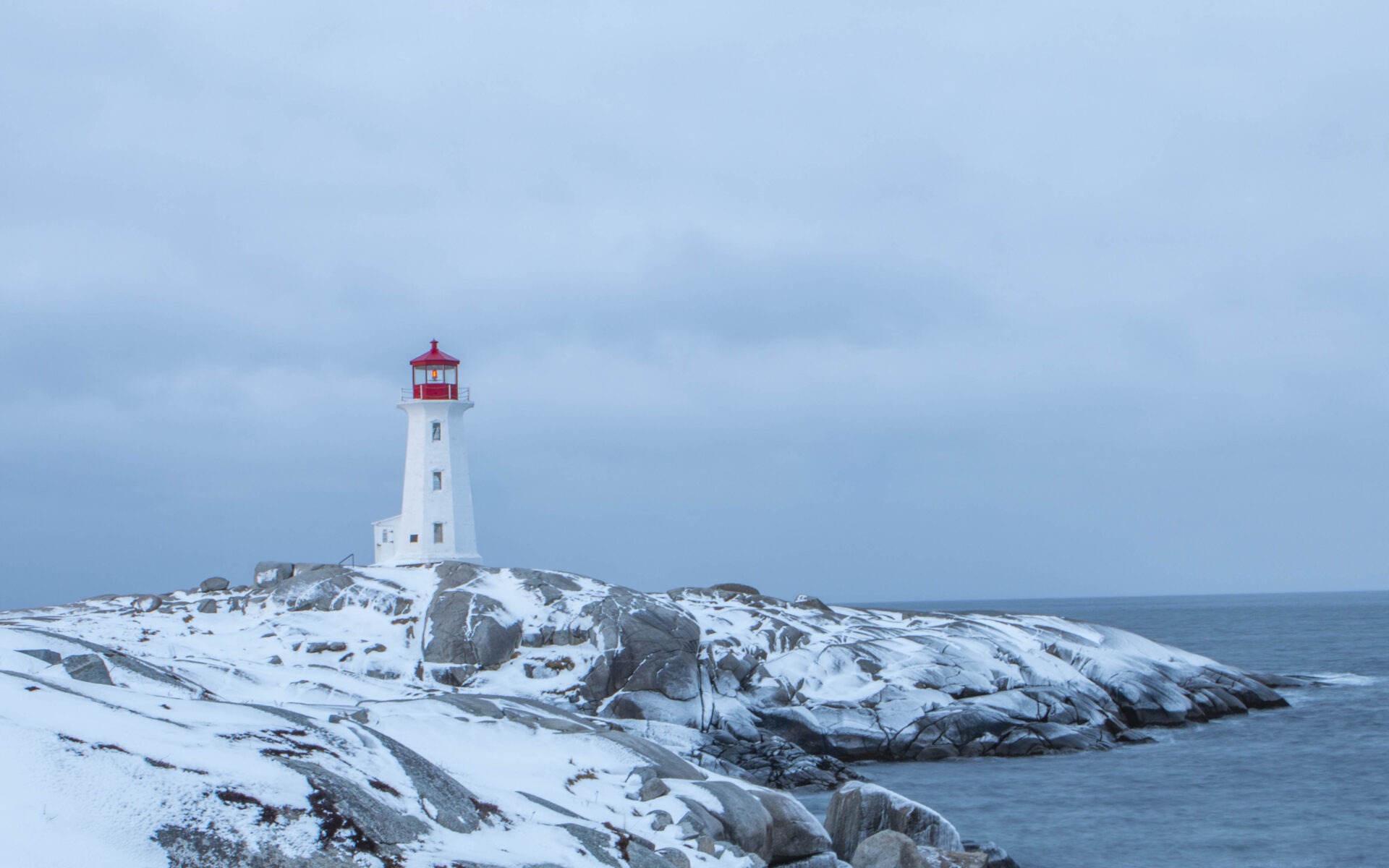
The South Shore: The rugged, lighthouse-dotted coastline running southwest from Halifax toward Yarmouth.
🚲 The Blue Route: Nova Scotia’s Slow Travel Arteries
For 2026, we recommend moving beyond the 100-series highways. The Blue Route is a province-wide network of cycling and active transportation corridors that prioritize secondary roads and scenic rail-trails.
- The Rum Runners Trail (Halifax to Lunenburg): A 112km coastal route. It is the gold standard for car-free photography, connecting the Halifax Peninsula directly to the colorful dories of UNESCO Old Town Lunenburg.
- The Harvest Moon Trailway (Annapolis Valley): 110km through the “Agricultural Heart.” This is the best logistical path for visiting heritage orchards and vineyards between Grand-Pré and Annapolis Royal.
- The Celtic Shores Coastal Trail (Cape Breton): A 92km seaside route. This is our top 2026 recommendation for sunset photography along the Gulf of St. Lawrence.
Major Hubs & Communities
Halifax (The Central Anchor)
As the provincial capital and home to Halifax Stanfield International Airport (YHZ), this is your logistical starting point. Its central position allows you to reach almost any corner of the mainland in under three hours.
Sydney (The Cape Breton Gateway)
Located at the eastern tip of Cape Breton, Sydney is the primary hub for the northern province and the year-round ferry terminal for those crossing to Newfoundland.
Wolfville & The Annapolis Valley (The Culinary Heart)
Located northwest of Halifax along the Bay of Fundy, this region is the primary destination for vineyards, “Spirit Partnerships,” and the UNESCO Grand-Pré heritage site.
Yarmouth (The Southern Terminus)
The southwestern tip of the province is the primary entry point for travellers arriving via the CAT Ferry from Bar Harbour, Maine.
Nova Scotia’s Gateways & Ferries
Nova Scotia is nearly an island, defined by its maritime connections:
- Amherst (The Land Border): The only road entrance into the province from New Brunswick.
- North Sydney Ferry: The year-round lifeline to Port aux Basques, NL, and the seasonal route to Argentia, NL.
- Digby/Saint John Ferry: A vital shortcut across the Bay of Fundy connecting Nova Scotia to New Brunswick.
- Caribou/Wood Islands Ferry: The seasonal connection between northern Nova Scotia and Prince Edward Island (PEI).
How to Get Around (Travel Times)
Nova Scotia is compact, making “day trips” from a central hub highly efficient.
Travel times from Halifax (The Hub):
- Halifax to Lunenburg: ~1 hour
- Halifax to Wolfville: ~1 hour
- Halifax to Yarmouth: ~3 hours (via Hwy 103)
- Halifax to Cape Breton (Canso Causeway): ~3 hours
- Sydney to the Cabot Trail (Baddeck): ~1 hour
Pro Tip: Use Halifax as your “Spoke.” You can photograph the South Shore one day and the Annapolis Valley the next without changing hotels. However, Cape Breton requires a dedicated 3–4 day stay to properly experience the Cabot Trail’s logistics.
2026 Traveller’s Checklist: Nova Scotia Essentials
📂 1. Essential Documents & Digital Logistics
- Identification: Canadian Driver’s License (essential for Cabot Trail rentals) or Passport/eTA for international visitors.
- 2026 Update: Canada now allows longer visitor stays (up to 1 year)—ensure your insurance policy matches your duration.
- Ferry Reservations: Bookings for the CAT Ferry and Marine Atlantic are mandatory in peak season.
- Offline Maps: Cell service is spotty in the Highlands. Download Google Maps layers or use Wanderlog for offline access.
- Park Passes: Have your Parks Canada Discovery Pass ready for Kejimkujik or Cape Breton Highlands.
📸 2. The Photography & Heritage Kit
- Lens Choice: A wide-angle (16-35mm) for coastal vistas and a telephoto (70-200mm) for whale watching and distant lighthouses.
- Power Management: Cold coastal air drains batteries faster. Bring at least two spare batteries and a high-capacity power bank.
- Circular Polarizer: Essential for cutting the glare on the Atlantic water and enhancing the deep blues of the Bras d’Or Lake.
- UNESCO Route Guide: A printed or digital list of the 13 Atlantic UNESCO Tourism Corridor sites to ensure you don’t miss the heritage photography stops.
🧥 3. Seasonal “Slow Travel” Gear
- The Base Layer: Moisture-wicking merino wool for humid coastal hikes.
- The Waterproof Shell: A professional raincoat and dry bags. Avoid umbrellas; Atlantic winds will break them.
- Footwear: Waterproof hiking boots (Coastal/Peggy’s Cove) and comfortable walking shoes (Urban/Halifax Harbourwalk).
- Temperature: A windproof toque and gloves are essential even in July for whale watching or the Blue Route.
🦞 4. Artisanal & Culinary Logistics
- Good Cheer Trail Passport: Track your brewery and distillery visits (digital or paper).
- Tide Tables: Download a tide app for the Bay of Fundy. Logistics are dictated by the moon—you can only walk the ocean floor at low tide.
- Reusable Kit: Travel mug and water bottle for “Slow Travel” cafe discounts in Wolfville and Lunenburg.
Frequently Asked Questions
Yes. You can take the ferry from Caribou (near Pictou) or drive through New Brunswick to cross the Confederation Bridge.
For iconic lighthouses and colourful dories, base yourself in Lunenburg or Peggy’s Cove. For dramatic highlands and sea cliffs, you must go to Cape Breton.
The most dramatic tides are on the Bay of Fundy (Digby, Wolfville, and Truro). The Atlantic side (Halifax/South Shore) has standard ocean tides.
All ferries to Newfoundland depart from North Sydney. It is a roughly 4.5-hour drive from Halifax to reach the ferry terminal.
Keep Exploring: Atlantic Canada & Beyond
Halifax is a city that doesn’t rush; it reveals itself in layers. From the historic grit of the Citadel to the modern, salt-aired luxury of the waterfront, here are the best ways to extend your maritime journey.
36-Hours in Halifax: Your logistical roadmap for a weekend of heritage sites and the city’s evolving culinary pulse.
Halifax Waterfront, the new wave. Explore the Queen’s Marque district, where “The Alchemy of Spirit” meets Atlantic architecture and zero-emission ferries.
The Maritimes Logistics Travel Map, Halifax, NS, Charlottetown, PEI and Moncton, NB. Ready to go beyond the peninsula? This interactive map connects the “Big Three”: Halifax (NS), Charlottetown (PEI), and Moncton (NB).
The Logistics: Discover the Lighthouses of Nova Scotia paired with local Brews
Summary
By understanding the provincial “loops”—The South Shore, The Valley, and the Cape Breton Highlands—you can plan a route that balances award-winning coastal photography with efficient travel. Whether you are driving the 100-series highways or cycling the Blue Route, Nova Scotia’s geography is designed for discovery.
Discover more from Roland Bast | Slow Travel Photographer
Subscribe to get the latest posts sent to your email.